







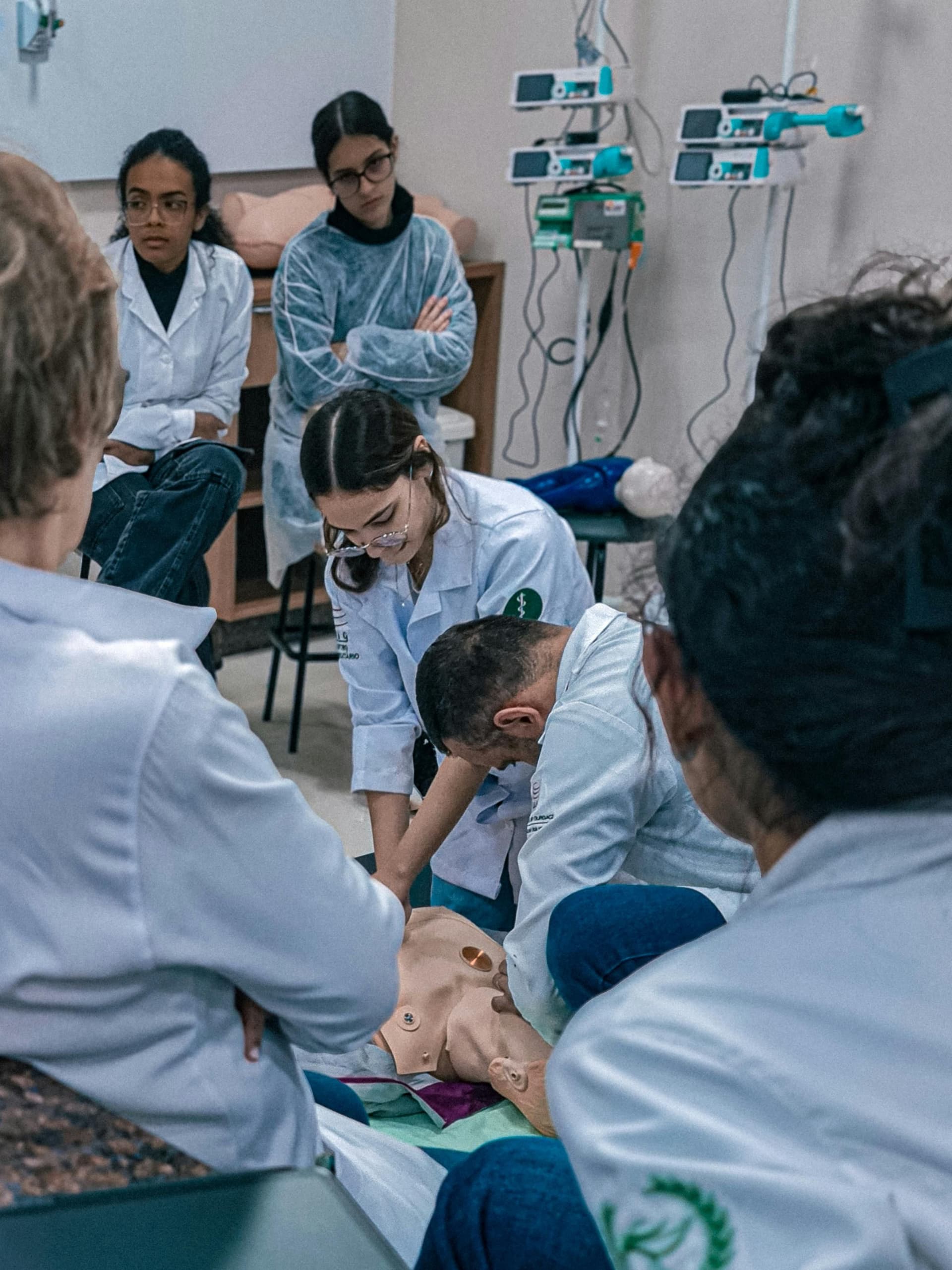
For Kenyan nursing students, one of the biggest strengths of studying nursing in Australia lies in its clinical training opportunities. Compared to many other countries, Australian nursing programs provide structured, high-quality, hands-on clinical experience across diverse healthcare settings — a major advantage for building professional competence, cultural adaptability, and employability.
Below are the key clinical training advantages in Australia and how Kenyan nursing students in Australia can benefit from them.
1. High-Quality, Structured Clinical Experience
Large Required Clinical Hours
Many Australian nursing programs mandate 800+ clinical placement hours, ensuring students gain substantial hands-on experience during their studies.
Rotational Placements
Students rotate through multiple healthcare environments, including:
- Hospitals
- Aged care facilities
- Community health centres
- Rural or regional clinics
Professional Supervision
During placements, Kenyan students are supervised by experienced Registered Nurses or clinical educators.
Benefit for Kenyan Students:
This structured approach bridges the gap between theory and practice, making graduates more job-ready, confident, and clinically competent.
2. Exposure to Diverse Healthcare Settings
Aged Care Sector
Through initiatives such as the Aged Care Nursing Clinical Placements Program, students gain experience caring for seniors, veterans, and people with disabilities.
Specialty Areas
Placements may include exposure to:
- Oncology
- Renal dialysis
- Acute and sub-acute care units
Rural and Remote Opportunities
Some universities, such as Edith Cowan University, offer placements in regional or remote areas, exposing students to different healthcare delivery models.
Benefit for Kenyan Students:
This diversity strengthens adaptability, expands clinical competence, and significantly enhances your CV while building cultural competence, a key skill for international nurses.
3. Simulation-Based Learning
Before (and alongside) real patient care, students train in high-fidelity simulation labs that replicate real hospital environments.
- Practice procedures such as IV insertion and medication administration
- Learn from mistakes in a safe, controlled environment
- Build confidence before entering live clinical settings
Benefit for Kenyan Students:
Simulation-based learning reduces anxiety, improves skill mastery, and enhances readiness for real-world patient care.
4. Strong Educational Standards & Accreditation
Australian nursing programs are accredited by bodies such as Australian Nursing and Midwifery Accreditation Council, ensuring clinical education meets high global standards.
- Structured assessment during placements
- Ongoing feedback from clinical facilitators
- Strong quality assurance across institutions
Benefit for Kenyan Students:
Graduating from an ANMAC-accredited nursing program provides a globally recognised qualification, supporting practice in Australia, Kenya, and other countries.
5. Professional Networking and Career Pathways
Networking Opportunities
Clinical placements allow you to connect with:
- Registered nurses
- Clinical supervisors
- Healthcare managers
Global Exposure
Working in Australian healthcare systems exposes you to advanced practices, policies, and diverse patient populations.
High-Demand Sectors
Clinical experience in aged care opens pathways into one of Australia’s highest-demand nursing sectors.
Benefit for Kenyan Students:
These networks and experiences improve your chances of securing employment in Australia or internationally and support entry into specialised nursing roles.
Also Read: Career Opportunities for Nursing Graduates in Australia
6. Professional Development & Confidence Building
- Critical thinking & clinical judgement through real patient care
- Reflective practice via feedback and self-evaluation
- Cultural competency gained from working in diverse care environments
These skills are essential for long-term success in global nursing careers.
7. Potential Challenge: Placement Costs & Logistics — But Worth It
Clinical placements may involve costs such as:
- Travel and accommodation
- Uniforms and equipment
- Clinical placement fees (charged by some universities)
Most placements are unpaid, and some students experience “placement poverty,” though financial support initiatives are increasing.
Takeaway for Kenyan Students:
Despite financial and logistical challenges, the long-term career benefits of Australian clinical training far outweigh the costs.
8. Strategic Tips to Maximise Clinical Training Opportunities
- Plan placements early with your university
- Fully utilise simulation labs
- Build strong professional relationships during placements
- Budget carefully for placement-related expenses
- Keep a reflective placement journal
- Explore multiple healthcare settings (hospital, aged care, community)
The Value of Clinical Training in Australia
For Kenyan nursing students in Australia, clinical training in Australian healthcare systems is a powerful value-add. It delivers hands-on experience, exposure to diverse care settings, strong professional networks, and training aligned with global nursing standards.
These clinical opportunities significantly boost confidence, competence, and employability, whether your goal is to work in Australia, return to Kenya, or pursue a global nursing career.